

We all know that being healthy takes work - you need to eat well, exercise, sleep, stress reduction, supplement where required, and the list goes on. But did you ever think that maybe some of your efforts to be healthy have some not-so-pleasant side effects?’
Vitamin D, often called the "sunshine vitamin" because it is produced in the skin through sun exposure, is essential for maintaining skin health. A vitamin D deficiency has been shown to cause acne, and scientists are examining whether supplementing with the vitamin may help treat it.
But, there's also research showing that vitamin D supplements can result in hormonal acne for anyone who’s acne-prone - even if you weren’t struggling with it before.
If you’ve noticed you’re breaking out and can’t figure out what’s triggering it, it may be time to take a look at your supplements.
In this article, we’re diving into the link between vitamin D and acne and helping you understand how there is such a thing as too much of a good thing. Plus, how to choose a quality vitamin D supplement that helps avoid it.
Key Takeaways
- Vitamin D plays important roles in immunity, hormone balance, and skin health, and low levels are common in modern lifestyles.
- Deficiency may worsen inflammatory skin problems, while bringing vitamin D into an optimal range can help calm inflammation and support barrier function.
- Very high doses of vitamin D supplements can raise testosterone and oil production in some people, which may aggravate acne if you are already prone to breakouts.
- The smart approach is to test your levels, avoid megadoses, and use a moderate, well absorbed D3 supplement that supports whole body health without overshooting.
What Is Vitamin D, the Sunshine Vitamin?

Vitamin D is important - and when we say it’s essential, we mean it’s involved in every function you can imagine. Nearly every cell in the human body contains a receptor for vitamin D, and it’s estimated that more than 2,000 genes are directly or indirectly regulated by 1,25(OH)2 (vitamin D3). (1).
Vitamin D is a fat soluble vitamin, which means it dissolves in fats and oils, affecting how it is absorbed and stored in the body.
While its most prominent action is in calcium metabolism and phosphorus metabolism, it’s shown to have a wide range of biological actions, including: (1-3)
-
Stimulating insulin production
-
Bone health and integrity
-
Immune health
-
Muscle function
-
Regulating hormone secretion
-
Regulating cell proliferation and differentiation
Vitamin D may also help reduce the risk of several health conditions, including autoimmune diseases and heart disease.
Shortage of Vitamin D
Although it may seem relatively easy to maintain high vitamin D levels because it’s widely available via sunshine and in many fortified food sources (few foods offer natural vitamin D), it’s estimated that over 1 billion people are vitamin D deficient.
At the same time, roughly 50% of the population is vitamin D insufficient. (4) Because a deficiency is often asymptomatic, most people aren’t aware they have it until they’re tested.
That’s why supplementation can be super beneficial. Whether you’re eating a plant-based diet where vitamin D-rich foods aren’t plentiful or have limited access to sunshine, supplements may help maintain healthy levels.
Your skin may thank you for it. Research suggests a vitamin D deficiency can contribute to acne. But here’s the thing: too much vitamin D isn’t a good thing either - and your skin might tell you that, also.
Acne probably isn’t something you’d associate with a nutrient deficiency or excess, but there’s new research linking vitamin D supplementation and acne - on both sides of the spectrum. Let's examine that in more detail...
Can a Vitamin D Deficiency Cause Acne?

Most people are under the impression that acne develops due to blocked pores or follicles in the skin - that is correct. Still, when these blockages become inflamed and infected, painful pimples or cysts can develop.
It typically arises when sebaceous glands become hypersensitive to normal circulating levels of androgens, especially testosterone, and become irritated, inflamed, and swollen. (5)
In fact, a case control study found that acne patients had significantly lower vitamin D levels compared to healthy controls, suggesting that low vitamin D may play a role in acne severity.
The Relationship Between Vitamin D and Severe Acne
Studies have shown that severe acne, including nodulocystic acne, has been linked to lower vitamin D levels in some cases. (6) The global acne grading system is often used in clinical studies to objectively assess and categorize acne severity, helping researchers correlate vitamin D status with acne outcomes.
Vitamin D and Acne Vulgaris
One trial examining the link between vitamin D and moderate to severe acne determined that a vitamin D deficiency was common in participants with acne vulgaris (a long-standing inflammatory condition), though levels of vitamin D were not proportional to the severity of the acne. (7)
A vitamin D deficiency has been known to trigger inflammatory skin conditions like psoriasis and atopic dermatitis. (8)
Vitamin D has regulatory effects on inflammatory skin disorders, and maintaining adequate levels of vitamin D is important for skin health. As we mentioned earlier, research often measures serum vitamin D levels as a biomarker to assess deficiency and its association with acne.
Other Consequences of a Vitamin D Deficiency
Vitamin D deficiency is also associated with other autoimmune and inflammatory diseases, such as inflammatory bowel disease and rheumatoid arthritis, due to its role in immune regulation and inflammation control.
While sunlight is necessary for vitamin D production, excessive UV exposure increases the risk of skin cancer, so it’s important to balance sun safety with adequate vitamin D intake.
Can Taking Vitamin D Help Reduce Acne Symptoms?

Studies have highlighted vitamin D's therapeutic and preventive potential in skin diseases.
Vitamin D has anti-inflammatory properties that may help reduce the redness and swelling associated with acne (10); it modulates the inflammatory cascade by regulating the production of inflammatory cytokines and immune cells. (9)
And if your acne stems from bacterial overgrowth, vitamin D’s antimicrobial properties may help to combat excessive bacteria and reduce acne development. (10).
"Vitamin D deficiency increases the lipogenesis in the sebaceous glands which causes increase inflammatory lesions of acne.
Newer studies show that sebaceous cells were considered as target cells for vitamin D, which means calciferol (vitamin D) can provide beneficial part in the treatment of acne" - study authors. (7)
Consequences of Excessive Vitamin D Levels on Skin Health
On the other hand, too much supplemental vitamin D isn’t always a good thing - a high intake of vitamin D can stimulate testosterone production, which drives acne development in people who are acne-prone.(12)
It’s important to note that the testing of vitamin D on testosterone levels is typically done in male participants, so it may not have the same impact on women.
Increased vitamin D intake may also temporarily disrupt hormonal balance and sebum production, potentially leading to breakouts, but these effects often resolve over time.
How to Choose the Best Vitamin D Supplements
Vitamin D supplements have become a go-to solution for many people looking to maintain healthy vitamin D levels, especially for those dealing with vitamin D deficiency.
Available in capsules, tablets, and liquid forms, these dietary supplements are often recommended by healthcare professionals to support overall health, bone health, and skin health.
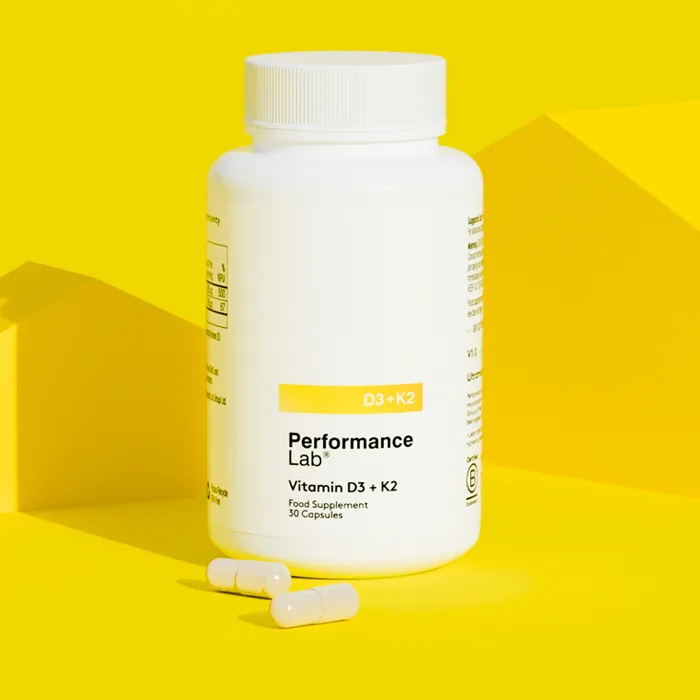
When choosing a vitamin D supplement, it’s important to consider whether you’re getting vitamin D2 or the more effective vitamin D3, as well as the dosage, to avoid the risks associated with too much vitamin D. We recommend Performance Lab D3 + K2.
Performance Lab D3 + K2
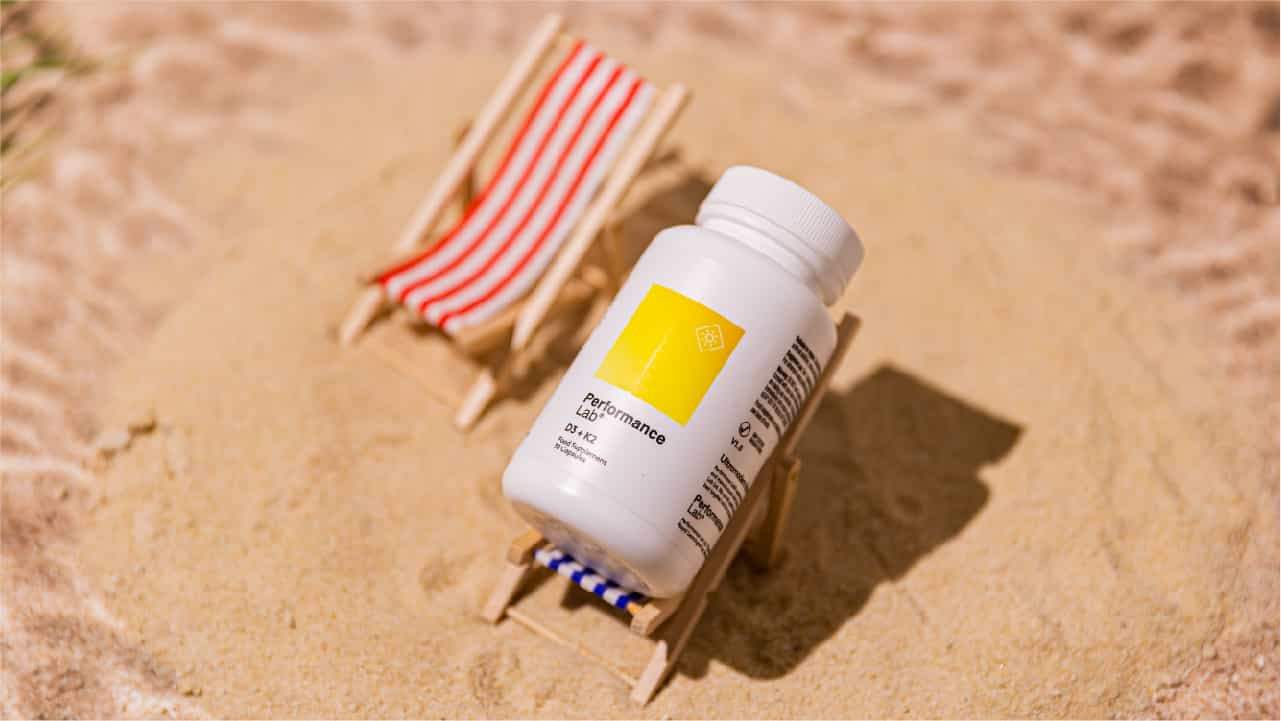
Performance Lab D3 + K2 offers premium form vitamin D3 combined with vitamin K2. The pair may work together to support skin healing. As well as all the benefits of vitamin D3, vitamin K2 is an antioxidant that may help to reduce the inflammation and redness of acne.
It offers 25mcg (125% of Daily Value) of vitamin D3, and 50mcg (41% Daily Value) of vitamin K2 - generous doses but not super high. No dangerous mega-doses here!
Topical vitamin D is another option that has shown promise in treating inflammatory skin conditions like psoriasis and atopic dermatitis.
If you’re considering taking vitamin D supplements, it’s essential to monitor your vitamin D levels regularly to ensure you’re not getting too much.
Another Option: A Quality Multivitamin
You can also find vitamin D in quality multivitamins such as Performance Lab NutriGenesis Multi, a dedicated multivitamin with targeted formulas for men or women.
In quality vitamin D3 form, this multivitamin also includes 23 other important nutrients with many reaching the recommended daily value. It's a great idea if you want to plug any nutritional gaps.
Performance Lab® NutriGenesis Multi
The world's most advanced multivitamin formula.
Shop Now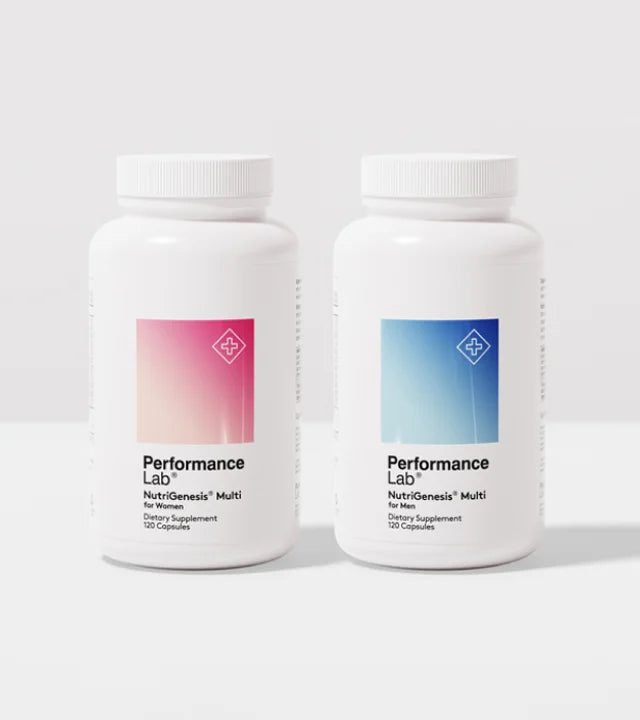
Incorporating foods rich in vitamin D - such as fatty fish, fortified dairy products, and certain plant-based options - can also help in maintaining skin health and supporting the immune system.
How Much Vitamin D Do You Need?
If you’re low in vitamin D, getting out in the sun probably won’t fix your problem—you’ll likely need to get a vitamin D3 supplement, whether in pure D3 liquid form or something like NutriGenesis Multi.
While you’re less likely to overdo it on vitamin D by getting it through sunshine, supplementation is the best way to increase levels fast.
How much is enough?
Ideally, aim for around 1,000 IU of vitamin D3 daily. Several studies show that this amount effectively improves skin health and inflammatory conditions. (11).
However, higher doses of vitamin D, up to 40,000 IU, have been shown safe, provided that serum 25(OH)D concentrations do not exceed 200 ng/mL (1).
Too much vitamin D can lead to vitamin D toxicity, a condition that may cause severe symptoms such as hypercalcemia, nausea, vomiting, and even more severe symptoms if left unchecked.
If you’re taking a multivitamin or a capsule, keep an eye on the dosage. It may only take six months to correct insufficiency, but if you’re still taking the same amount a year later, you could end up in the excess zone.
Ideally, increase your consumption of vitamin D-rich foods and supplement within reasonable amounts to correct insufficiency and maintain optimal health.
Also read: Best Vegan Vitamin D Supplement
References
- Hossein-nezhad, A., & Holick, M. F. (2013). Vitamin D for health: A global perspective. Mayo Clinic Proceedings, 88(7), 720–755.
- Ceglia, L. (2009). Vitamin D and its role in skeletal muscle. Current Opinion in Clinical Nutrition and Metabolic Care, 12(6), 628–633.
- Bikle, D. (2009). Nonclassic actions of vitamin D. Journal of Clinical Endocrinology & Metabolism, 94(1), 26–34.
- Sizar, O., Khare, S., Goyal, A., et al. (2022). Vitamin D deficiency. In StatPearls. Treasure Island, FL: StatPearls Publishing. Available from: https://www.ncbi.nlm.nih.gov/books/NBK532266/
- Sutaria, A. H., Masood, S., & Schlessinger, J. (2022). Acne vulgaris. In StatPearls. Treasure Island, FL: StatPearls Publishing. Available from: https://www.ncbi.nlm.nih.gov/books/NBK459173/
- Yildizgören, M. T., & Togral, A. K. (2015). Preliminary evidence for vitamin D deficiency in nodulocystic acne. Dermatoendocrinology, 6(1), e983687. doi: 10.4161/derm.29799.
- Iqbal, T., Asim, S. A., Bhatti, S., Sajid, M., Mirza, R., & Huma, Z. (2023). Association of vitamin D with moderate to severe acne vulgaris. Journal of the College of Physicians and Surgeons Pakistan.
- Umar, M., Sastry, K. S., Al Ali, F., Al-Khulaifi, M., Wang, E., & Chouchane, A. I. (2018). Vitamin D and the pathophysiology of inflammatory skin diseases. Skin Pharmacology and Physiology, 31(2), 74–86.
- Vitamin D for acne. Healthline. Available from: https://www.healthline.com/health/vitamin-d-for-acne
- Liu, W., Zhang, L., Xu, H. J., et al. (2018). The anti-inflammatory effects of vitamin D in tumorigenesis. International Journal of Molecular Sciences, 19(9), 2736.
- Lim, S. K., Ha, J. M., Lee, Y. H., et al. (2016). Comparison of vitamin D levels in patients with and without acne: A case-control study combined with a randomized controlled trial. PLoS One, 11(8), e0161162.
- Pilz, S., Frisch, S., Koertke, H., et al. (2011). Effect of vitamin D supplementation on testosterone levels in men. Hormone and Metabolic Research, 43(3), 223–225.