

Whether you’re training at 6 am and trying to beat the early morning grogginess, hitting the gym after a brutal day at work, or just looking for something extra to take your workout to another level, there’s no doubt that knocking back something to boost your energy and enhance performance is often a necessity.
Coffee, energy drinks, and pre workout drinks or supplements are some of the most widely consumed energy staples for fitness lovers worldwide and are awesome for turning up the energy dial.
But the problem with these three energy-boosters is they’re not all created equal.
-
Coffee is a popular stimulant across the globe and can be taken as a drink or as caffeine tablets.
-
A pre workout drink is a specialized supplement designed for serious athletes and bodybuilders seeking sustained energy, promoting muscle synthesis, and enhancing workout performance
-
While energy drinks are probably more suitable for quick, short-term energy boosts.
While the goal of them is all the same - major stimulation - the results you get from each are going to be massively different.
If you’re stuck between whether you should stick to your normal cup of coffee, invest in a pre-workout, or chug back an energy drink before your training session, we’re giving you the rundown.
We’re talking about how these stimulants work and which one is most effective, so you can make an educated decision on the best way to maximize your time in the gym.
This is where the energy drink debate comes in, helping you compare their differences, purposes, and effects to choose what fits your goals best.
Key Takeaways
- Coffee, energy drinks, and pre-workout supplements all rely on stimulants like caffeine, but they differ hugely in dose, ingredients, and health impact.
- Coffee can be a simple, relatively clean way to boost alertness and endurance, whereas many energy drinks pack unpredictable caffeine loads, sugar, and artificial additives.
- Quality pre-workouts layer moderate caffeine with performance boosters like beta-alanine, nitric oxide ingredients, and focus nutrients to support strength, endurance, and fatigue resistance.
- For most lifters, a well-formulated pre-workout offers the best balance of stimulation, performance benefits, and long-term training support compared to energy drinks.
The Science Behind The Stimulation
When it comes to any sort of stimulatory energy-booster, they all have a similar mechanism of action -- increasing sympathetic nervous system activity to fend off fatigue and enhance alertness.
In the world of sports, there are three classes of stimulants commonly used: psychomotor stimulants, sympathomimetics, and various CNS stimulants. (1).
Coffee and Caffeine

The most common of these stimulants is caffeine, a psychomotor stimulant. Caffeine is a pharmacologically active compound found in tea, coffee, and many soft drinks that produces mild CNS stimulating effects.
It functions to reduce fatigue and increase concentration and alertness by acting as an adenosine antagonist; because caffeine is structurally similar to adenosine, it binds to adenosine receptors in the brain and modulates heart rate, cardiac and smooth muscle contraction/relaxation, and neural signaling in the central nervous system (CNS). (2).
Some of the major effects of caffeine conducive to athletic performance include better focus, higher heart rate and output, and increased metabolic rate. However, the downsides of excessive caffeine use or unusually high doses are things like anxiety, insomnia, and nervousness.
Understanding Pre-Workouts
Pre workout supplements are specifically crafted to take your exercise performance to the next level. Unlike a simple cup of coffee or a generic energy drink, pre workouts are formulated with a blend of ingredients that work together to boost physical performance, delay muscle fatigue, and deliver those coveted muscle pumps.
They may include a combination of caffeine for mental alertness, beta-alanine to buffer lactic acid and reduce muscle burn, creatine to support strength and power and/ or some form of nitric oxide booster, such as citrulline and beetroot powder.
Citrulline and beetroot powder are great for increasing nitric oxide production in the body, which dilates blood vessels and improves blood flow. The result? Enhanced oxygen and nutrient delivery to your muscles, supporting better endurance, more intense workouts, and improved athletic performance.
By consuming your pre workout about 20-30 minutes before hitting the gym, you give your body time to absorb these powerful ingredients and maximize your training session.
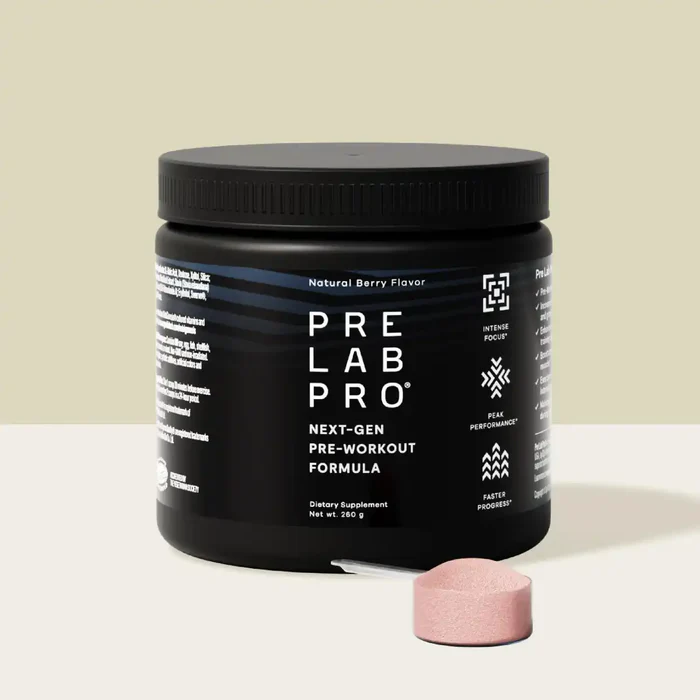
Pre Lab Pro includes 1,500mg of red beet powder.
Exploring Energy Drinks

Energy drinks are designed for those moments when you need a quick energy boost and sharper mental focus - whether you’re heading into a workout, an exam, or just trying to power through a busy day.
Most energy drinks tend to rely on high levels of caffeine, sugar, and other stimulants to deliver a rapid increase in alertness and reduce feelings of fatigue. This makes them a popular choice for a quick pick me up, but it’s important to note that most energy drinks are not specifically formulated for athletic performance or muscle growth.
Unlike pre workouts, energy drinks generally lack specialized ingredients that support muscle recovery, muscle growth, or improved exercise performance.
While they may help you feel more awake and ready to tackle your next task, energy drinks are best suited for general consumption rather than targeted fitness goals.
Note also that when it comes to energy drinks, the amounts of caffeine aren’t comparable to that of coffee. Caffeine content can range anywhere from 50 to 505mg per can or bottle, whereas a 6oz. cup of brewed coffee contains only 77 to 150mg. (3).
When your heart-pumping, energy-boosting pre-gym beverage comes with more warning labels than anything else, it’s probably time to look elsewhere.
And perhaps the most detrimental thing about these drinks is that they are marketed to athletes claiming to improve performance, endurance, concentration, reaction speed, and rev metabolism, but at what cost? (3)
While they may acutely increase performance, regular consumption of energy drinks has some potentially harmful consequences, including high blood pressure, sleep disruptions, and addiction. (4).
And while the likelihood of addiction is still pertinent to coffee intake, the substantially lower amounts of caffeine present in coffee are much less likely to result in addiction.
Coffee vs Pre Workout vs Energy Drinks
This one we say with a big asterisk attached to it because we’re not bashing all energy supplements. There are a lot of good energy boosters available both in the form of supplements that work on your mitochondria as well as pre-workout supplements that work on the nervous system.
That said, there are also a lot of bad ones filled with synthetic caffeine, artificial additives, and other crappy ingredients that aren’t conducive to good health and performance.
Performance Lab Energy

Performance Lab Energy is one of the good guys.
Instead of relying on caffeine or harsh stimulants, it uses clinically researched nutrients like CoQ10, ALCAR, PQQ, R-Lipoic Acid and Magnesium Malate to support natural mitochondrial energy production at the cellular level.
This “cell-first” approach helps promote steady, crash-free vitality while providing antioxidant protection and metabolic support. With transparent, clean labeling and no artificial additives, it offers a more balanced, long-term way to enhance daily energy and overall performance.
Let’s compare the usual suspects - coffee, pre-workout, and energy drinks- in terms of how effective they are for boosting performance and what your best option is.
Muscle Hypertrophy for your Fitness Goals

Muscle hypertrophy is the process by which your muscles grow larger and stronger in response to repeated resistance or strength training.
When you challenge a muscle, you create tiny micro-tears in the muscle fibers; as your body repairs these fibers, they rebuild thicker and more resilient, increasing overall muscle size.
So how can our three options support this?
Coffee: Coffee is one of the cleanest and safest ways to boost your performance, and while it may not directly enhance muscle hypertrophy to any great extent, what it can do is increase focus, drive, and intensity for better overall performance and bigger gains. However, one study found that coffee consumption in rodents increases skeletal muscle function and hypertrophy by regulating the TGF-β/myostatin-Akt-mTORC1. (5).
Pre-workout: The goal of pre-workouts is to boost your performance and enhance muscle hypertrophy, so when you find a good one, that’s what you’ll get.
Ingredients like creatine and BCAAs are often added to boost muscle growth and MPS. Branched chain amino acids (BCAAs) and essential amino acids support muscle recovery and endurance, making them key components in pre-workout supplements for muscle growth. (6)
Creatine supplementation is backed by clinical trials and scientific evidence for its benefits in muscle growth and exercise performance. (7, 8)
Additionally, ingredients like red beetroot powder, L-citrulline, arginine, and others can maximize blood flow and oxygen delivery to working muscles to support greater work capacity, more hypertrophy, and promote muscle pumps during workouts.
Energy drinks: Energy drinks tend to be loaded with compounds like caffeine, B vitamins, and taurine to enhance energy, but where muscle growth is concerned, their effects are limited due to the lack of any substances that enhance hypertrophy.
Most energy drinks are designed for quick energy boosts and mental alertness rather than physical performance, lacking the specialized ingredients found in pre-workouts.
Endurance: The Key Differences

Coffee: The link between coffee consumption and endurance performance is pretty strong, suggesting that the caffeine present in coffee can increase work production, VO2, and fat oxidation and decrease fatigue. (9)
Other studies suggest that caffeine may alter perceived pain due to increased secretion of ß-endorphins, which favor increased endurance. (10)
Pre-workout: Pre-workout drinks are specifically designed to improve exercise performance and improve workout performance by supporting sustained effort and faster recovery, allowing athletes to push harder and longer during training.
Endurance athletes rely on anti-fatigue compounds to enhance performance, and that’s exactly what pre-workouts do. Things like beta-alanine and red beetroot powder buffer lactic acid and increase blood flow to support stronger muscle contractions and prevent fatigue.
Beta-alanine is especially known for helping with delayed muscle fatigue and reducing muscle burn during short to mid duration high-intensity exercise, which potentially helps improve muscle endurance and muscular endurance. (11, 12)
Studies have found that red beetroot can improve cardiorespiratory endurance by increasing efficiency, which ultimately improves performance at various distances, increases time to exhaustion, and may improve the cardiorespiratory performance at anaerobic threshold intensities and maximum oxygen uptake (VO2max). (13)
The effects of beetroot juice may be even more significant among non-professional athletes. (14)
These ingredients also contribute to improved blood flow, which benefits endurance by delivering more oxygen and nutrients to working muscles. Pre-workout drinks like Pre Lab Pro are formulated to improve blood flow, which is a key factor in enhancing endurance and delaying fatigue during workouts.
Energy drinks: Where energy drinks are concerned, there is potential for improving endurance activity and neuromuscular performance, likely because of their caffeine and carbohydrate content.
Studies suggest that caffeine can increase endurance performance by delaying central nervous system fatigue and elicit an improvement in neuromuscular performance via a direct effect on muscles. (15)
However, the introduction of sugar-free versions of energy drinks results in faster declines in endogenous energy stores (muscle glycogen, phosphocreatine, and ATP) and thus counteracts any ergogenic actions.
Fat Loss
Coffee: Although the main role of coffee is to block adenosine receptors and prevent fatigue, coffee is also widely consumed for its stimulant and fat-burning properties. As a CNS stimulant, it can have a direct effect on the breakdown of fat cells via the release of catecholamines, namely epinephrine (adrenaline), which increases fat oxidation and serum concentrations of free fatty acids (FFA). (16)
Pre-workout: Most pre-workout supplements aren't designed to specifically target fat (that's what a fat burner is for), but if you're lucky, they can have ingredients that do up-regulate lipolysis.
Like we mentioned, any pre-workout containing caffeine may elicit some fat-burning effects by stimulating the CNS and boosting fat oxidation, as well as something like Bioperine black pepper extract that is a known thermogenic agent. But in general, the point of a pre-workout is to enhance performance, results, and recovery, not burn fat.
Energy drinks: Energy drinks are designed to increase energy, not increase fat loss. Although, the caffeine and B vitamins present in many of them may support metabolic processes that induce lipolysis to a small extent, don't expect any miracles on fat mass with energy drinks.
Both energy drinks and pre-workouts may use artificial sweeteners as alternatives to sugar to reduce calorie content while maintaining flavor. It’s important to consider the sugar content in these products, as high sugar content can lead to energy crashes and potential health concerns.
Exercise Fatigue

Coffee: One of the sole purposes of coffee consumption is to reduce mental fatigue by acting as an adenosine receptor, but what about physical fatigue?
Some studies show that, at a central level, caffeine consumption may modulate fatigue due to neurochemical changes that modify the rating of perceived exertion (RPE) during exercise and reduce pain sensation; at a peripheral level, modulating fatigue may result from stimulation of Na+-K+-ATPase that promotes the release of calcium, thereby improving neuromuscular function. (10)
Pre-workout: Anti-fatigue compounds are the primary mechanism of action for many pre-workout supplements, and they’re something you just won’t find in coffee or energy drinks.
We’re mainly talking about nitric oxide boosters and buffers that enhance nitric oxide production to dilate blood vessels for better blood flow and thus greater oxygen and nutrient delivery. As well as enhanced removal of lactic acid, wastes, carbon dioxide, ammonia, and metabolic by-products that cause muscle fatigue and impair work capacity. (17)
Energy drinks: If mental and physical fatigue are significant concerns, caffeinated energy drinks will likely give you the boost you’re looking for. However, they rarely contain compounds that support reducing muscular fatigue to extend work capacity and improve overall athletic performance.
Other Considerations
Caffeine Intake
Caffeine is the powerhouse ingredient often found in all three of our potential choices - coffee, pre workout supplements and energy drinks. It’s been shown to enhance mental performance, mental focus, mental energy levels, and more. But too much can lead to unwanted side effects like jitters, anxiety, or trouble sleeping.
Be aware of your total caffeine intake. The caffeine content in many energy drinks can be surprisingly high, sometimes exceeding safe daily limits and potentially causing issues like increased heart rate or high blood pressure.
Customization and Ingredients
One of the key differences between coffee, pre workout supplements and energy drinks lies in the level of customization and the variety of ingredients. Pre workouts are often available in powder form, allowing you to adjust serving sizes or even add extra ingredients to tailor the formula to your unique fitness needs.
Coffee is available as a drink obviously, or is sold as caffeine capsules like Performance Lab Caffeine 2. These tablets contain a modest 50mg of caffeine, allowing you to determine your intake.
In contrast, energy drinks are typically pre-mixed and ready to drink, offering little to no flexibility in terms of ingredient customization.
Safety and Health
When it comes to boosting your energy, safety and health should always be top priorities. Many energy drinks are loaded with sugar, which can lead to energy crashes, weight gain, and other health concerns if consumed regularly.
Some pre workout supplements may also contain ingredients that could interact with medications or worsen certain health conditions, so it’s important to be aware of what you’re putting into your body.
Scenario-Based Choices
Choosing between coffee, a pre workout supplement and an energy drink often comes down to your specific scenario and fitness goals.
Fitness Goals...
-
If your main objective is to improve exercise performance, increase muscle growth, and push through tough training sessions, a pre workout with ingredients like creatine, beta-alanine, and citrulline is likely your best bet.
-
On the other hand, if you simply need a quick energy boost to get through a long day, late-night study session, or an early morning meeting, an energy drink may be more convenient. Just keep in mind factors like sugar content, caffeine intake, and your own sensitivity to stimulants when making your choice.
-
But if you’re looking for a natural, steady lift in energy, sharper mental focus, and a simple way to enhance endurance without added sugars or synthetic stimulants, coffee can be the most balanced everyday choice.
Final Thoughts
We're the first to support coffee consumption. It’s a natural and powerful stimulant that can help to support a better and stronger workout, and natural alternatives like green tea also provide caffeine and antioxidants for a smoother energy boost.
Caffeine tablets provide another alternative to drinking lots of coffee. We'd recommend choosing a product that combines a gentle dose of caffeine alongside ingredients such as l-theanine and B vitamins to protect against potential side effects. Performance Lab Caffeine 2 provides a hit of caffeine without the crash.
When it comes to the pre workout vs energy drink debate, it often come down to your specific needs: pre workouts are designed for exercise performance and muscle growth, while energy drinks are geared toward quick energy and mental focus.
Energy drinks, however, are a big gamble. While they can increase alertness and focus, they’re often too high in artificial ingredients and caffeine to offer any real benefit to your training program. Popular energy drinks tend to typically contain high levels of caffeine and sugar, targeting quick energy rather than supporting muscle endurance or athletic performance.
And studies actually find that caffeine delivered in low doses (< 3 mg/kg body weight) before or during exercise can improve performance, especially at a cognitive level, as well as enhance wakefulness, alertness, and mood due to its effect on the nervous system. (10) But what’s interesting is that where caffeine is concerned, more is not better.
Research shows that high doses of caffeine (≥9 mg/kg body weight) don’t provide greater benefits for performance but instead increases the risk of adverse effects like sickness, diarrhea, dehydration, anxiety, and insomnia.
But if you’re looking to elevate your workout to an entirely new level, pre-workout takes the cake. Pre workout powders offer a convenient and customizable way to enhance workout performance, allowing you to tailor your intake of key nutrients.
Pre workout formulations like Pre Lab Pro® are designed with targeted pre workout ingredients - such as beta-alanine, L-citrulline, creatine, BCAAs, and electrolytes - in clinically effective dosages to maximize exercise performance and recovery.
With Pre Lab Pro®, you’re looking at a research-backed pre-workout formula delivering low-dose natural caffeine for the ultimate fine-tuned stimulation.
Beetroot Powder, Setria® Performance Blend, L-Tyrosine, L-Theanine, and NutriGenesis® mineral complex help to support better neuromuscular performance, fight fatigue, enhance muscle energy, support healthy cardiovascular performance, and boost strength, power, speed, and endurance.
Giving you a head start on muscle growth and recovery.
It’s a superior formula for training and promotes results like you’ve never experienced before.
References
- L Avois, N Robinson, C Saudan, N Baume, P Mangin, M Saugy. Central nervous system stimulants and sport practice. Br J Sports Med. 2006;40 Suppl 1(Suppl 1):i16-i20.
- M Rivera-Oliver, M Díaz-R í Using caffeine and other adenosine receptor antagonists and agonists as therapeutic tools against neurodegenerative diseases: a review. Life Sci. 2014;101(1-2):1-9.
- CJ Reissig, EC Strain, RR Griffiths. Caffeinated energy drinks--a growing problem. Drug Alcohol Depend . 2009;99(1-3):1-10.
- AM Arria, MC O'Brien. The “high” risk of energy drinks. 2011;305(6):600-601.
- YJ Jang, HJ Son, JS Kim, et al. Coffee consumption promotes skeletal muscle hypertrophy and myoblast differentiation.Food Funct. 2018;9(2):1102-1111.
- Salem, A., Trabelsi, K., Jahrami, H., AlRasheed, M. M., Boukhris, O., Puce, L., Bragazzi, N. L., Ammar, A., Glenn, J. M., & Chtourou, H. (2024). Branched-Chain Amino Acids Supplementation and Post-Exercise Recovery: An Overview of Systematic Reviews. Journal of the American Nutrition Association, 43(4), 384–396. https://doi.org/10.1080/27697061.2023.2297899
- Wu S-H, Chen K-L, Hsu C, Chen H-C, Chen J-Y, Yu S-Y, Shiu Y-J. Creatine Supplementation for Muscle Growth: A Scoping Review of Randomized Clinical Trials from 2012 to 2021. Nutrients. 2022; 14(6):1255. https://doi.org/10.3390/nu14061255
- Jaramillo, A. P., Jaramillo, L., Castells, J., Beltran, A., Garzon Mora, N., Torres, S., Barberan Parraga, G. C., Vallejo, M. P., & Santos, Y. (2023). Effectiveness of Creatine in Metabolic Performance: A Systematic Review and Meta-Analysis. Cureus, 15(9), e45282. https://doi.org/10.7759/cureus.45282
- JL Ivy, DL Costill, WJ Fink, RW Lower. Influence of caffeine and carbohydrate feedings on endurance performance.Med Sci Sports. 1979;11(1):6-11.
- El Barcel ó Cormano, R Blasco Redondo, M Blanco Rogel, A Bach-Faig . Effect of caffeine as an ergogenic aid to prevent muscle fatigue. Arch Med Deporte. 2019;36(6):368-375
- Trexler, E.T., Smith-Ryan, A.E., Stout, J.R. et al. International society of sports nutrition position stand: Beta-Alanine. J Int Soc Sports Nutr 12, 30 (2015).
- Saunders, B., Elliott-Sale, K., Artioli, G. G., Swinton, P. A., Dolan, E., Roschel, H., Sale, C., & Gualano, B. (2017). β-alanine supplementation to improve exercise capacity and performance: a systematic review and meta-analysis. British journal of sports medicine, 51(8), 658–669.
- Tian, C., Jiang, Q., Han, M., Guo, L., Huang, R., Zhao, L., & Mao, S. (2025). Effects of Beetroot Juice on Physical Performance in Professional Athletes and Healthy Individuals: An Umbrella Review. Nutrients, 17(12), 1958.
- R Domínguez, E Cuenca, JL Maté-Muñoz, et al. Effects of Beetroot Juice Supplementation on Cardiorespiratory Endurance in Athletes. A Systematic Review. 2017;9(1):43.
- R Mora-Rodriguez, JG Pallaré Performance outcomes and unwanted side effects associated with energy drinks. Nutr Rev. 2014;72 Suppl 1:108-120.
- DE Anderson, MS Hickey. Effects of caffeine on the metabolic and catecholamine responses to exercise in 5 and 28 degrees C.Med Sci Sports Exerc. 1994;26(4):453-458.
- Gao, C., Gupta, S., Adli, T., Hou, W., Coolsaet, R., Hayes, A., Kim, K., Pandey, A., Gordon, J., Chahil, G., Belley-Cote, E. P., & Whitlock, R. P. (2021). The effects of dietary nitrate supplementation on endurance exercise performance and cardiorespiratory measures in healthy adults: a systematic review and meta-analysis. Journal of the International Society of Sports Nutrition, 18(1), 55.